Not All States Are Created Equal
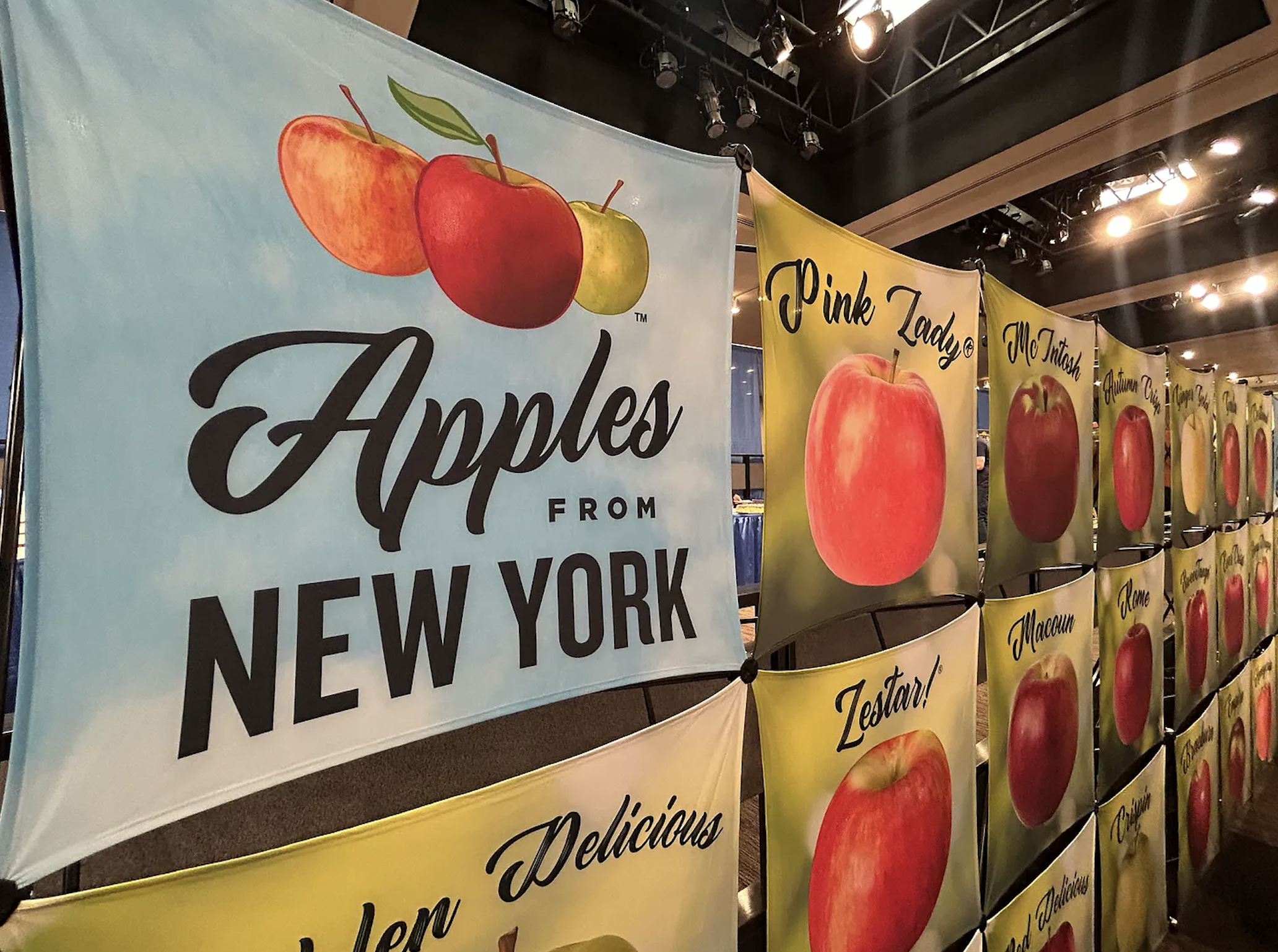
How one state regulates, farms and generates energy doesn't look the same in another. The policy divergence across borders is valuable diversity, but not as valuable in solving issues, united.
State capitals are my favorite place to visit when I travel to a new state. With how much continuity and non-change that can occur in a federal government, state governments can defy that by simply their different architecture types, legislator chamber make-up and super majority dynamics unheard of it across state lines.
Last week, I visited the New York State Capital. Tuesdays are used as the day of the week for group lobbying. Flocks of constituent groups take the train up from New York City to speak their truth and message. The group of New York farmers I was with and observing were also doing the same.
It started with a press conference with all four committee chairs and ranking members of Senate and Assembly Agriculture Committees spoke united on many points, all pointing out its the rest of the legislature is the group that they fight against — an education battle. New York has a majority in all 3 branches and there is no indication that is changing soon.
When you have spent your life living in a Republican swing state, turning the switch in America’s two party system, takes you a minute to adjust. County Farm Bureau’s adopt downstate (NYC) legislatures for yearly message sharing and educating about the farming industry.
This spring, I’m taking a closer look at the New York farm beat with some new state-side publications. I started by covering exactly what I said above, Rochester-area farmers lobby Albany for budget, regulatory changes.
In future weeks, I’ll cover Wegmans food trends, the $30 million dollar tariff relief funding Gov. Hochul of New York wants to provide farmers in the budget, the implementation of whole milk in “health school” and some municipal zoning case studies to check in on land-use debates.
While trying to answer some of those questions, I got posed a question myself, a request writers rarely get: “What’s your take on what’s going on in the state?”
This is where all states are not created equal comes into play. What I write about in Ohio is completely different than what happens in New York. Yes, duh. But at almost every level of government, boardroom, membership drive, capital building and renewable energy argument, business changes across border. My take on New York is four years new, and still very premature.
Its not a forbidden question to ask, just not a common one. Here’s what I said:
“Some really big things are happening in dairy processing. I’m very interested to see how that will play out, because they said the demand of cows and milk will be exponential. When you really lay out the figures, dairies need to get bigger in order to fill the Chobani plant. Just that one new plant they’re building in Rome, New York requires a hefty percentage of of New York total fluid milk.
“Every state is different when it comes to renewable energy, and New York has highly incentivized solar. Different communities are handling the pressures in not so similar ways. I think solar and any form of development, data centers too, is catching people off guard. It’s catching sometimes small municipalities off guard, although it’s been happening for a while. Local town boards are becoming more prepared, and some are key examples of listening to their constituents. When they say they don’t want something there, elected leaders are listening. Given the state via the RAPID Act can come in and implement certain things, yes.
“I’m very fascinated on how certain communities function in that way, and how they listen to feedback, and how the state oversteps them, and how they can overstep the state.”
It’s not a tough year to be a state. According to the federal government, more powers and responsibilities should be distributed to them via improved federalism. So far, that ideal has been applied using political discretion, not frequently. But for the constituents I report on — the farmer, the ag-researcher, the local food pantry organizer — they have to worry about every level of government, without those leaders ever understanding their function in communities. Let’s figure out why.
