Contributing writer for AgDaily, Farm & Dairy, Ohio Country Journal, Offrange, Cornell Daily Sun, Cornell Chronicle, Toledo Blade, Springfield Hub, Melk de Langs and Agri-Pulse Communications.
-
Farm & Dairy: Record dryness raises fire risk for Ohio farmers during harvest
Ithaca Weekly: Farmers in New York fight to protect soil as solar expands
Agri-Pulse: Farm groups seek tough standards for carbon verifiers
AgDaily: As Varroa mite ravages hives nationwide, beekeepers fight for solutions
Offrange: Teens in the Tassels: How Youth Farm Labor Still Powers the Midwest
Farm & Dairy: Voters may get to decide on a $1 billion water quality bond for Lake Erie
Ohio Country Journal: Lake Erie River challenges could shift shipping demand to Great Lakes
Farm & Dairy: Zapped: Northwest Ohio farmer harnesses electricity to control weeds -
AgDaily: A cloudy global forecast amid U.S. cuts to weather science
AgDaily: Dealers see robots become bigger part of dairy solution
Agri-Pulse: As Europe aims to slash red tape, farmers see opportunities in looser regulations
Farm & Dairy: How Africa is scaling livestock and food systems
Farm & Dairy: Sipping on Kenya’s agriculture industry
AgDaily: An African farming hub for America's top morning brews
Farm & Dairy: Voters may get to decide on a $1 billion water quality bond for Lake Erie
Ohio Country Journal: Lake Erie River challenges could shift shipping demand to Great Lakes
Farm & Dairy: The most intensive, cost-efficient farming region in the world
Agri-Pulse: Brazil alleges Syngenta adulterated insecticide
Agri-Pulse: European Union election shifting global climate policy priorities -
Glasshaus: Why aren’t farmers protesting tariffs?
Toledo Blade: US Trade Rep looked to Toledo in farewell
Toledo Blade: Glass grown food, next step for Toledo’s Glass City
Glasshaus: Why this USDA administration stands apart?
Glasshaus: Renewing African Growth, To Stand Up to China
Glasshaus: Ohio, the Amish and our Trains
Glasshaus: Intermediate Economies Are Still Developing Too
Melk de Langs: Farmers in the US and EU are in constant indirect discussions -
AgDaily: When insects hit the windshield, science starts talking
Cornell Chronicle: Cornell research powers sustainable Ryder Cup
Cornell Turfgrass Extension: State park golf courses lead the way in turfgrass sustainability
Cornell Daily Sun: Legal Protections Bring Cornell’s Crop Innovations to Farms
Cornell Turfgrass Extension: Turfgrass redefines extension media in the 21st century
Ohio Farm Bureau: Advocacy from the compost pile -
Rochester-area farmers lobby Albany for budget, regulatory changes
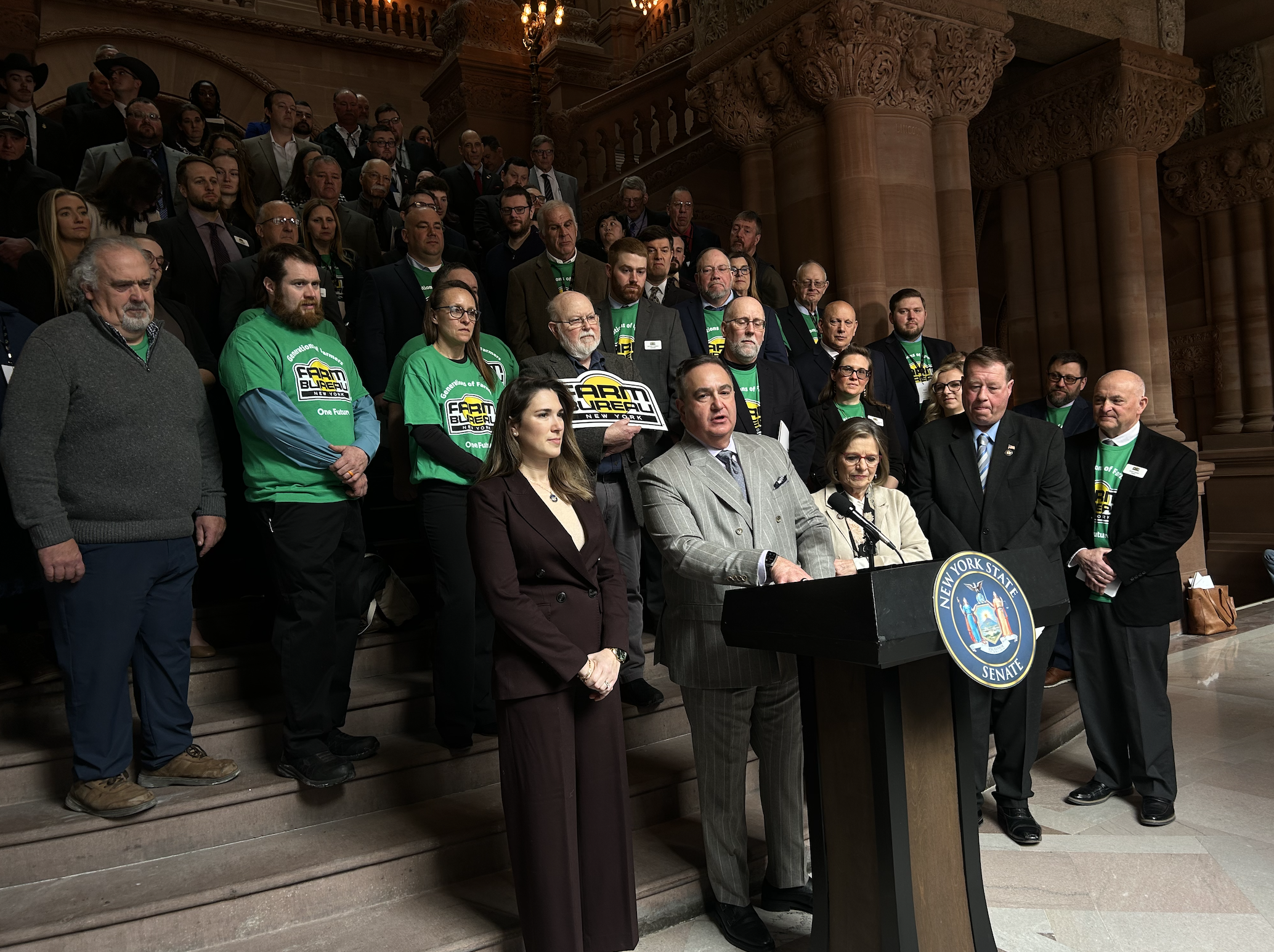
Standing in front of lobbying farmers, leaders of the New York Assembly and Senate Agriculture Committees speak at a press conference. (Photo by Jake Zajkowski)
Members of the New York Farm Bureau this week visited the state Legislature to push for the extension of refundable farm infrastructure tax credits, provisions in the agriculture budget and overtime pay reductions.
The agriculture advocacy organization, with 27,000 members statewide, hosted its annual lobbying event on Tuesday, meeting state lawmakers on their home turf during budget negotiation season.
With the release of Gov. Kathy Hochul’s fiscal year2027 state budget, Monroe County farmers are seeking the inclusion of legislation that will improve the daily function of the dairy and produce farming operations in the Rochester region.
The core four agriculture committee chairs and ranking members spoke at the morning news conference, often turning around for minutes at a time to speak directly to farmers. Sen. George Borrello, R-Sunset Bay, the ranking member of the Senate Agriculture Committee, said, “We have a great bipartisan team in agriculture, in both houses,” noting this committee of legislators, unlike others in the Assembly, works together for farmers.
Jessica Magguilli attended Lobby Days this year with the Monroe County delegation to speak on a handful of issues and provisions impacting her family’s dairy farm, Leibeck Farms in Spencerport. She came to Albany to “advocate about employment issues, health care and working conditions.”
Magguilli oversees scheduling and hiring for a workforce that milks a 230-head herd, predominantly Holstein, a breed of cattle. She says employment regulation is the number one farm policy movement in Albany that impacts her farm the most. Their operation hires high school students from Churchville, Hilton, Spencerport anådand the BOCES agriculture mechanics program.
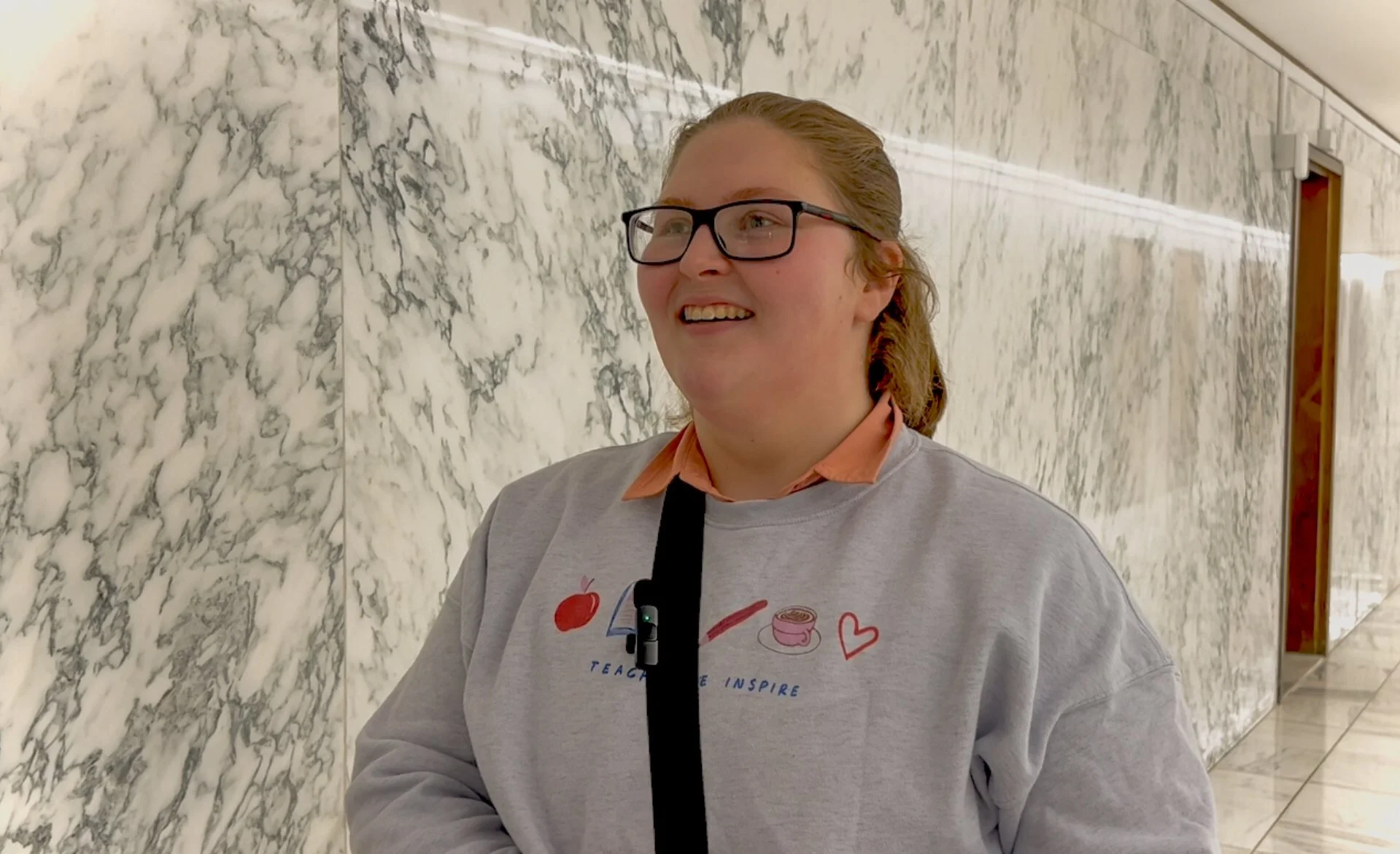
Jessica Magguilli speaks about agriculture advocacy in the New York Legislative Building (Photo by Jake Zajkowski)
In the legislators’ offices, they discussed the inclusion of Assembly Bill 297, an extension of the refundable investment tax credit until 2033—now with construction costs for farm workers’ housing to be eligible. The Farm Bureau also sought research funding for New York’s Center for Agricultural Medicine and Health, an alternative solution to the Temperature Mitigation Program Act. If implemented, the TEMP Act would require written heat-stress plans and fine farms for not followingthat do not follow plans that provide access to water and monitor temperatures exceeding 80 degrees Fahrenheit.
“We had some good conversations about the TEMP bill with (Assemblyman) Harry Bronson,” said Robert Colby, a dairy and vegetable farmer from Ogden. “He’s a sponsor. … He understands there’s got to be modifications to it.”
Bronson is also the chairman of the Labor Committee, which has jurisdiction over advancing the legislation. This is the second time the TEMP Act has been introduced in the Legislature. From the beginning, the Farm Bureau has requested an exemption for agriculture from workplace temperature regulations.
Although no overtime reform legislation is advancing this year, farms that rely heavily on hired labor are seeking a regulatory change. They want lawmakers to eliminate the requirement to pay overtime wages during the sector’s mandatory 24-hour weekly day of rest. Under their proposal, employers would not owe overtime for those hours as long as a worker’s total weekly hours remain below the state’s overtime threshold.
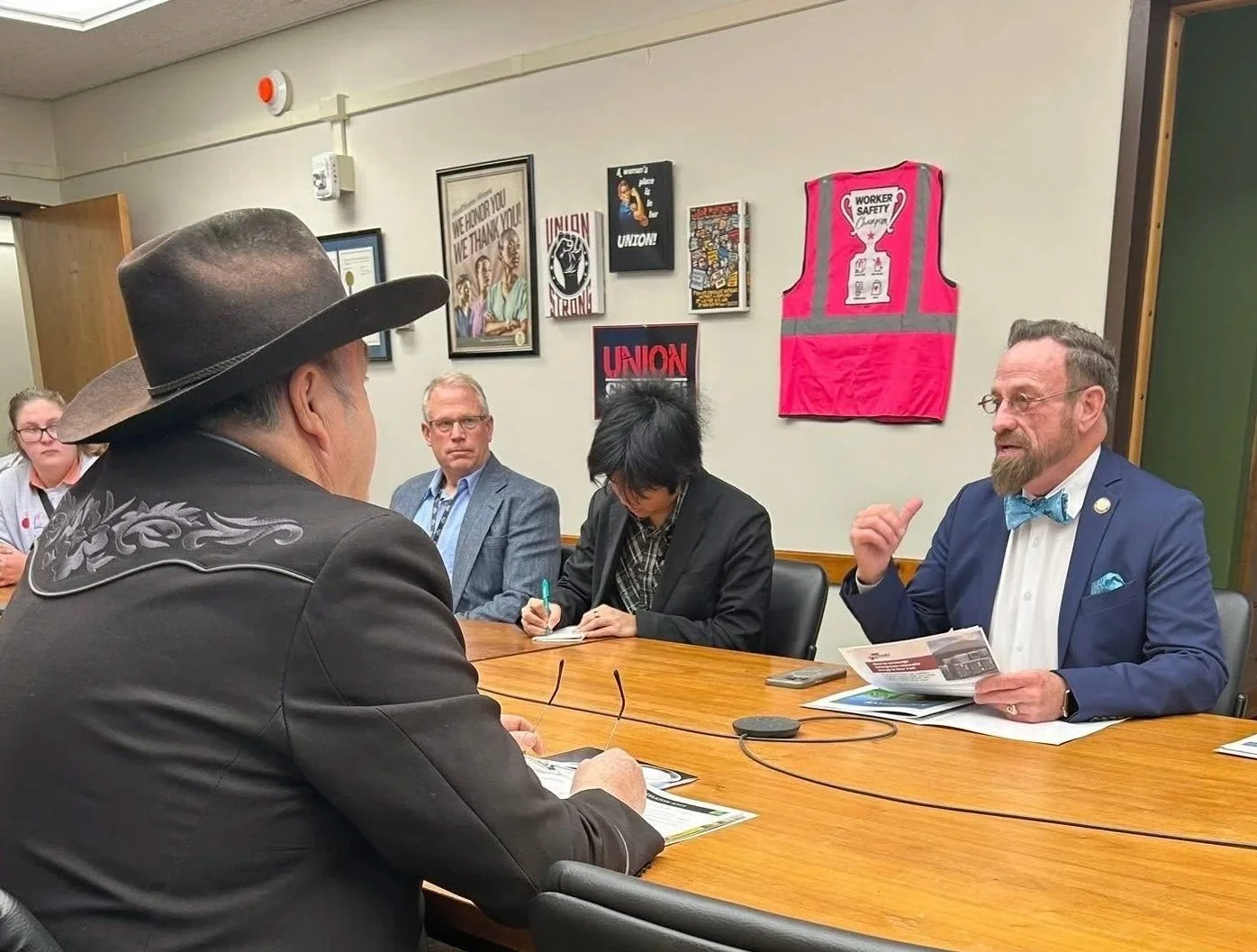
Robert Colby and the Monroe County delegation speak with Assemblyman Harry Bronson about the TEMP Act. (Photo provided by NYFB)
While Colby milks nearly 300 cows using autonomous milking robotsrobotic milking systems and grows vegetables for frozen processing, he still employs 15 full-time workers. He says his vegetable production business is becoming “less profitable as labor becomes more of an issue.”
Budget provisions are also top of mind for special interest groups and crop-specific groups seeking to receive state funding. Cornell University is asking for $5 million in research farm operational funds after facing a hit from frozen and restructured federal research grants by the Trump administration.
Colby once served as a board member for the Monroe County Farm Bureau, and now is a Monroe County legislator representing Chili, Greece, Ogden and Sweden.
“Some of the same budget items that Hochul zeroed out are typically what she knows is going to be put back in some of those programs,” he said.
The 2026 New York Farm Bureau Lobby Days were hosted one month earlier than previous years.
“They are holding their budget meetings earlier this year than they have in the past. They have a really big move to get the budget done on time,” driven by Hochul’s primary election, Colby says. On Tuesday, Lt. Gov. Antonio Delgado suspended his campaign for governor, ending his challenge to Hochul.
Hochul visited agribusiness booths at the Taste of New York Reception Monday night, touting her $30 million tariff relief plan that has received mixed reactions[CG4] from the Legislature. The plan has been well received by state agriculture associations, but its details have yet to be announced.
Other farm community-backed priorities this legislative session include requiring fire, rescue and library tax districts to use agricultural assessment values—rather than full market value—when calculating property taxes; establishing a clean fuel standard to create a market for low-carbon biofuels; and exempting agriculture from extended producer responsibility recycling legislation aimed at reducing packaging waste.
The local Farm Bureau board will host its own Taste of Monroe County reception following its March legislative meeting, held on the second Tuesday of the month.
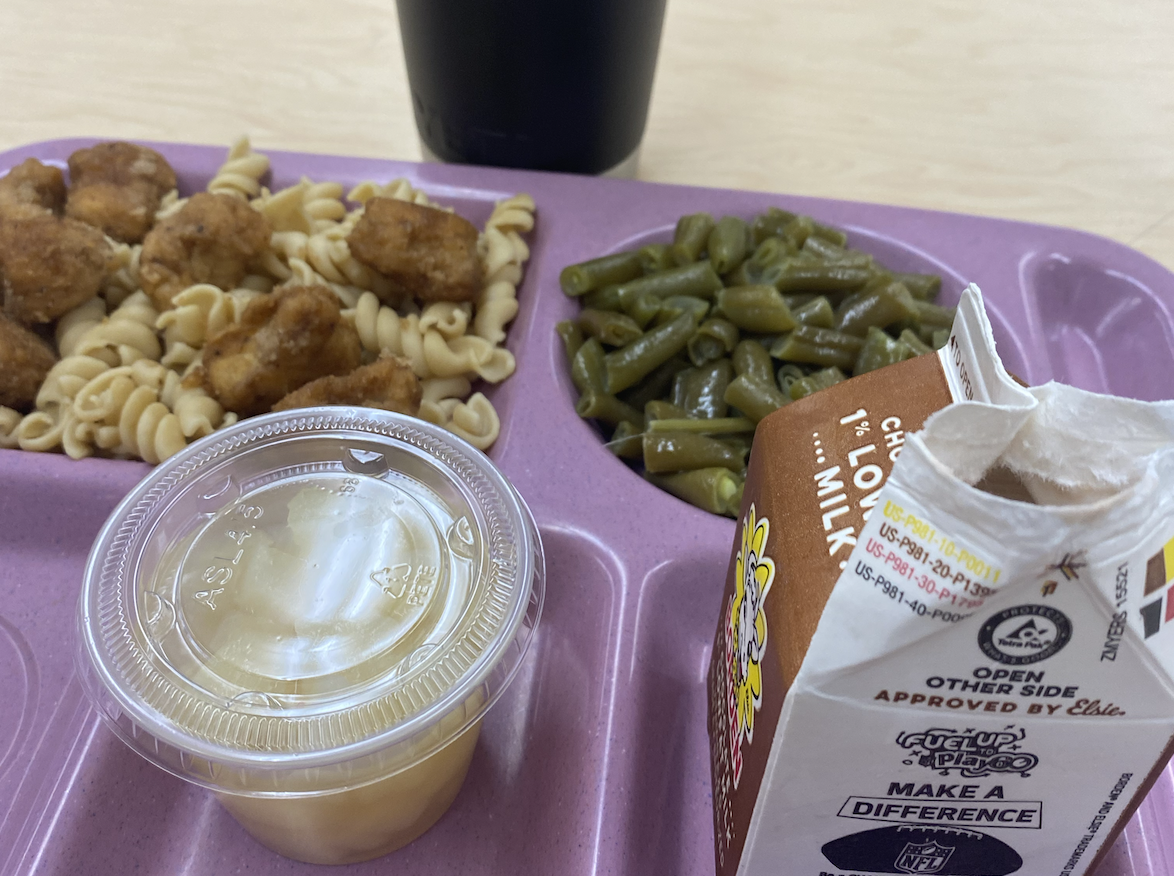
The Whole Milk Comeback
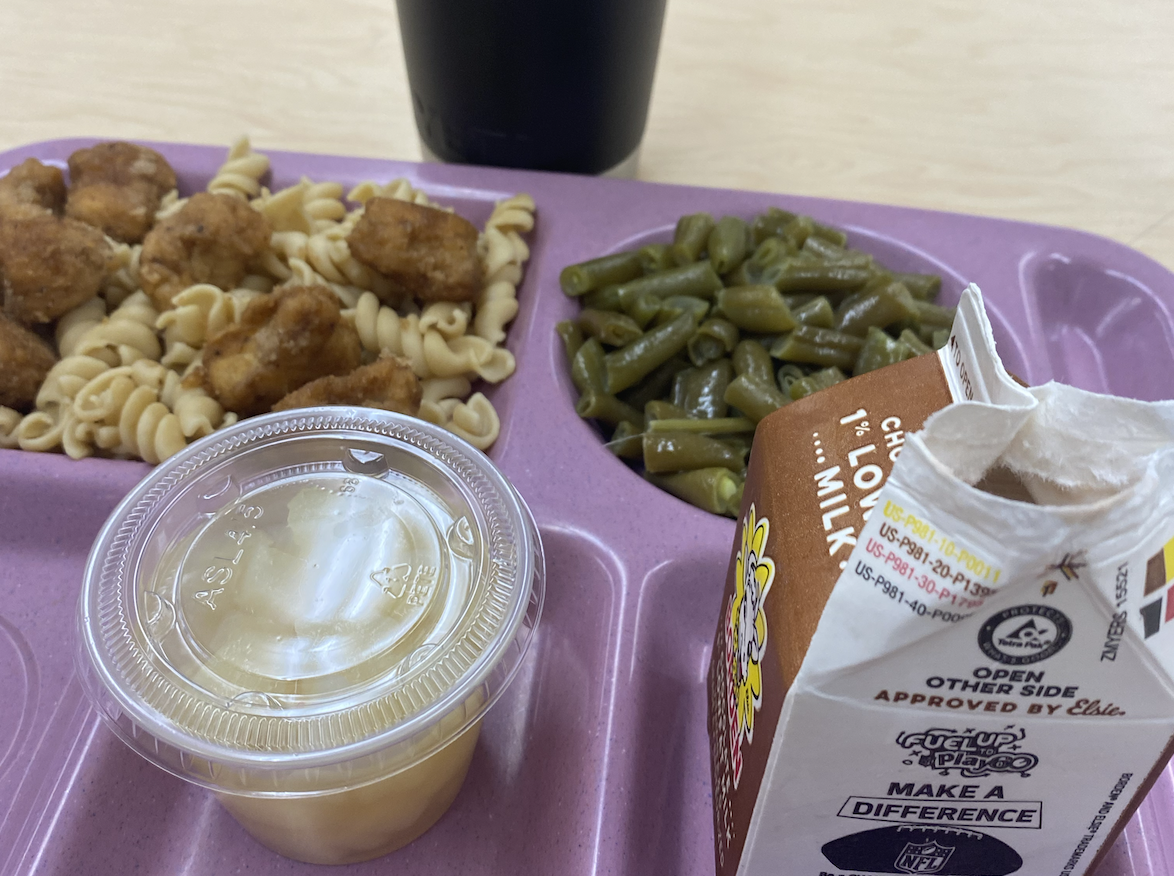
After 15 years off most menus, new federal legislation allows whole and reduced-fat milk back into the National School Lunch Program — but will schools and students embrace it?
In January, President Trump signed the Whole Milk for Healthy Kids Act in the Oval Office. The bill had passed both chambers in December and then waited on the president’s desk for his signature.
I first heard the news while driving between interviews in Ohio, on farm radio, my roots. I pulled over, opened it on my phone to watch, and texted my Washington friends to see who had made it into the event.
Key farm leaders said they were grateful that, after 15 years, the legislation had finally passed. They praised dairy farmers and longtime champions of the issue, including Rep. GT Thompson of Pennsylvania and Sen. Roger Marshall of Kansas, who have worked on it for decades.
The legislation allows schools to serve whole and reduced-fat milk at lunch, reversing a 2012 policy change under the Obama administration, championed by former First Lady Michelle Obama, that removed higher-fat milk options and enforced updated school nutrition standards.
The change is more limited than many assume. It applies only to the National School Lunch Program, not the School Breakfast Program or other child nutrition programs.
Several speakers stood behind the president during the signing, including selected dairy influencers and members of a women’s leadership council. Rehearsed children declared their love for whole milk.
Yes, dairy preferences exist. Yes, many nutritionists argue that higher-fat dairy can be beneficial for younger children.
But what fascinates me most is the narrative that children are demanding whole milk — rather than simply choosing from what is presented to them.
In the days following the bill signing, an obscure “Got Milk?” campaign resurfaced on USDA channels and among right-leaning political influencers — around the same time new HHS nutrition guidelines shifted the food pyramid to more prominently promote dairy and meat products.
Once implemented, it is expected to take a couple of years for school food procurement systems to adjust. I’m curious how the different milk options will compete. Do children truly have a preference? And will schools actually choose to purchase whole milk?
That’s next on my list and you can look out for.
Putting whole milk back in schools isn’t particularly controversial. But whether the market adapts, and whether demand follows supply, will ultimately determine its success.
P.S. Legend has it there’s a photo somewhere of Rep. GT Thompson chugging milk in the White House.
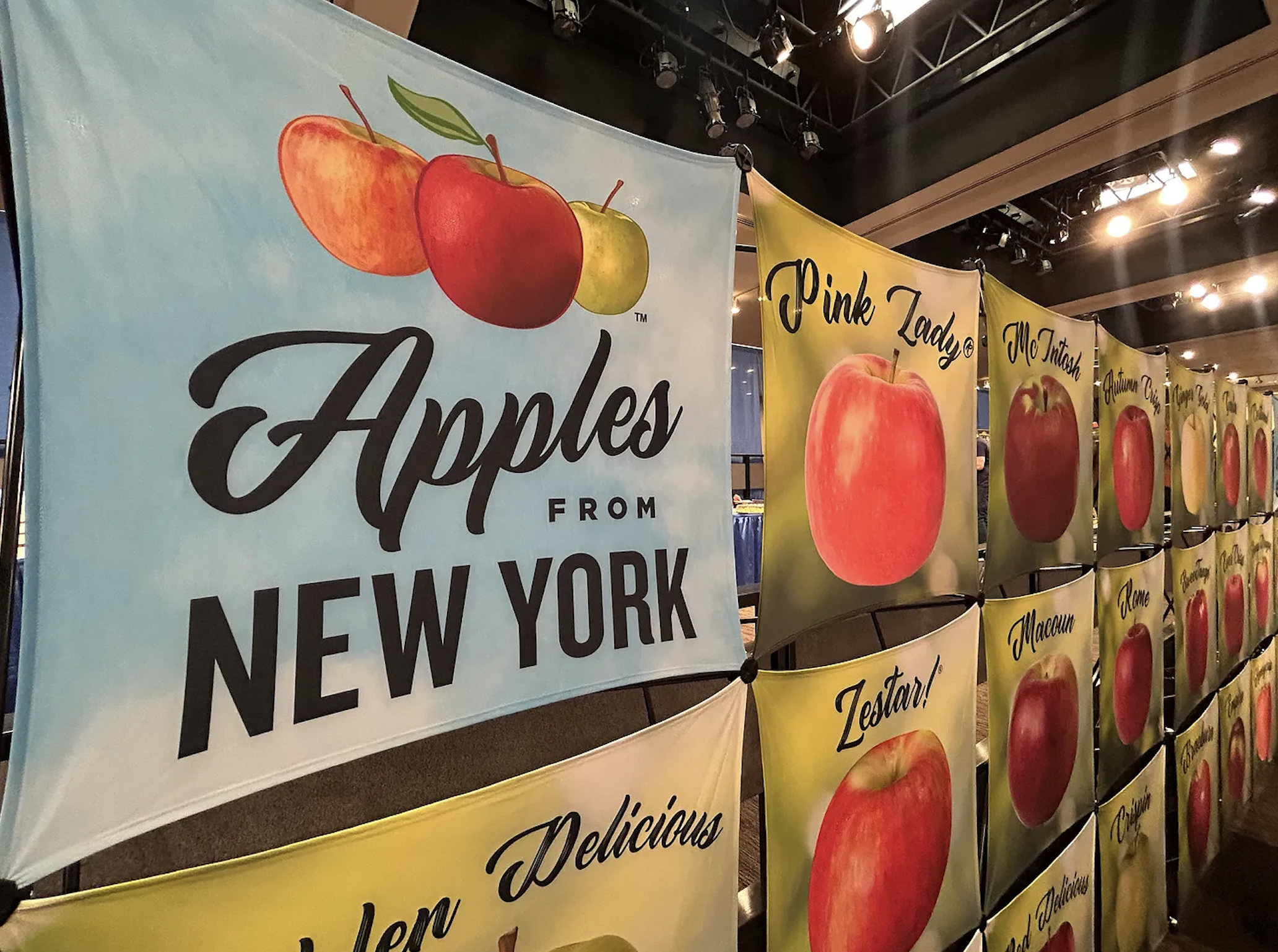
Not All States Are Created Equal
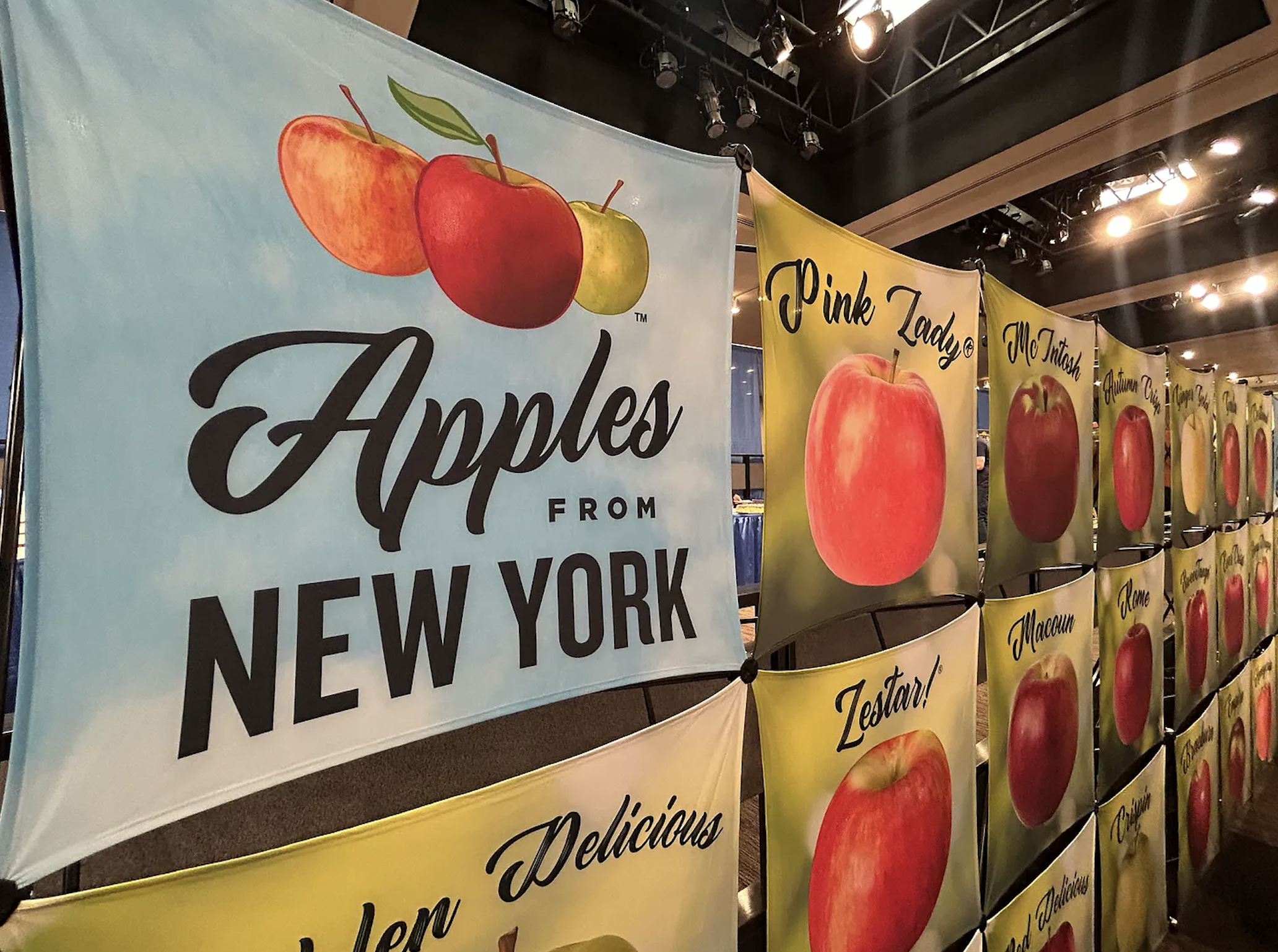
How one state regulates, farms and generates energy doesn't look the same in another. The policy divergence across borders is valuable diversity, but not as valuable in solving issues, united.
State capitals are my favorite place to visit when I travel to a new state. With how much continuity and non-change that can occur in a federal government, state governments can defy that by simply their different architecture types, legislator chamber make-up and super majority dynamics unheard of it across state lines.
Last week, I visited the New York State Capital. Tuesdays are used as the day of the week for group lobbying. Flocks of constituent groups take the train up from New York City to speak their truth and message. The group of New York farmers I was with and observing were also doing the same.
It started with a press conference with all four committee chairs and ranking members of Senate and Assembly Agriculture Committees spoke united on many points, all pointing out its the rest of the legislature is the group that they fight against — an education battle. New York has a majority in all 3 branches and there is no indication that is changing soon.
When you have spent your life living in a Republican swing state, turning the switch in America’s two party system, takes you a minute to adjust. County Farm Bureau’s adopt downstate (NYC) legislatures for yearly message sharing and educating about the farming industry.
This spring, I’m taking a closer look at the New York farm beat with some new state-side publications. I started by covering exactly what I said above, Rochester-area farmers lobby Albany for budget, regulatory changes.
In future weeks, I’ll cover Wegmans food trends, the $30 million dollar tariff relief funding Gov. Hochul of New York wants to provide farmers in the budget, the implementation of whole milk in “health school” and some municipal zoning case studies to check in on land-use debates.
While trying to answer some of those questions, I got posed a question myself, a request writers rarely get: “What’s your take on what’s going on in the state?”
This is where all states are not created equal comes into play. What I write about in Ohio is completely different than what happens in New York. Yes, duh. But at almost every level of government, boardroom, membership drive, capital building and renewable energy argument, business changes across border. My take on New York is four years new, and still very premature.
Its not a forbidden question to ask, just not a common one. Here’s what I said:
“Some really big things are happening in dairy processing. I’m very interested to see how that will play out, because they said the demand of cows and milk will be exponential. When you really lay out the figures, dairies need to get bigger in order to fill the Chobani plant. Just that one new plant they’re building in Rome, New York requires a hefty percentage of of New York total fluid milk.
“Every state is different when it comes to renewable energy, and New York has highly incentivized solar. Different communities are handling the pressures in not so similar ways. I think solar and any form of development, data centers too, is catching people off guard. It’s catching sometimes small municipalities off guard, although it’s been happening for a while. Local town boards are becoming more prepared, and some are key examples of listening to their constituents. When they say they don’t want something there, elected leaders are listening. Given the state via the RAPID Act can come in and implement certain things, yes.
“I’m very fascinated on how certain communities function in that way, and how they listen to feedback, and how the state oversteps them, and how they can overstep the state.”
It’s not a tough year to be a state. According to the federal government, more powers and responsibilities should be distributed to them via improved federalism. So far, that ideal has been applied using political discretion, not frequently. But for the constituents I report on — the farmer, the ag-researcher, the local food pantry organizer — they have to worry about every level of government, without those leaders ever understanding their function in communities. Let’s figure out why.