The Whole Milk Comeback
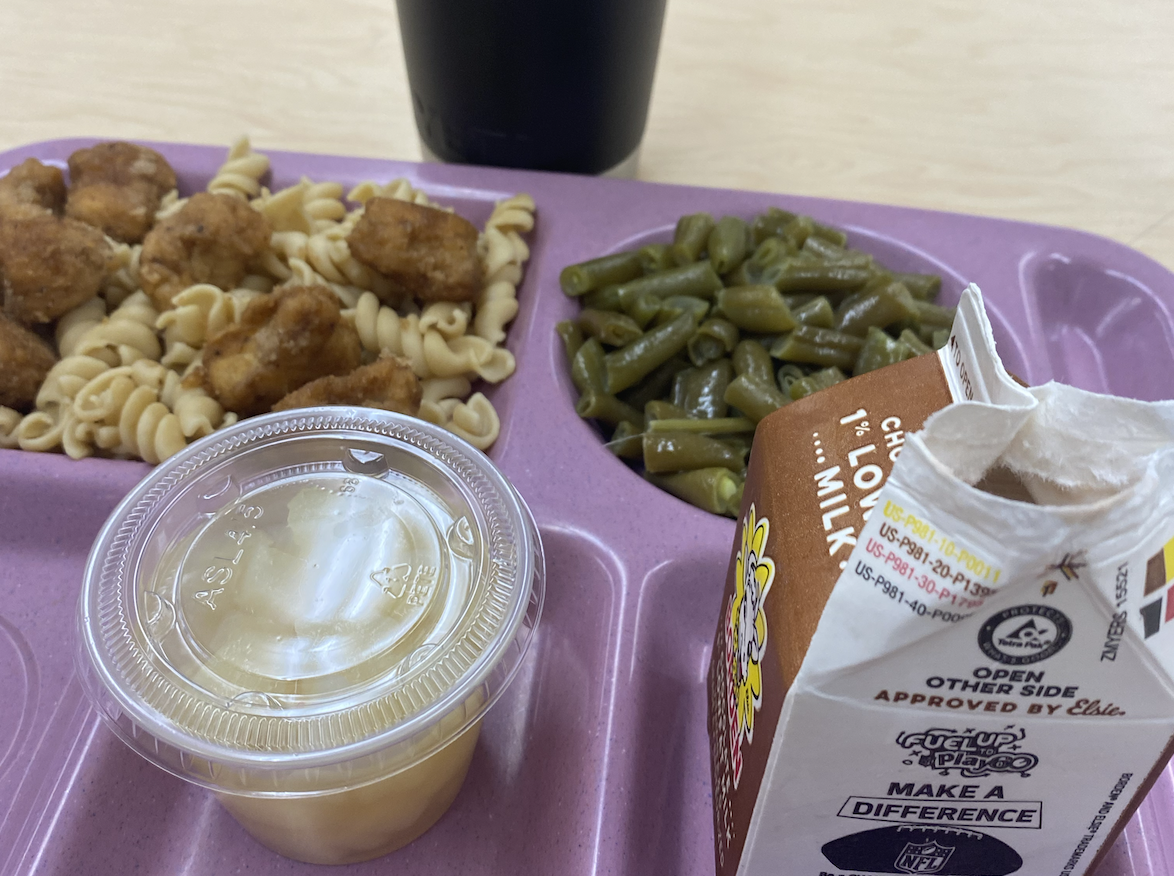
After 15 years off most menus, new federal legislation allows whole and reduced-fat milk back into the National School Lunch Program — but will schools and students embrace it?
In January, President Trump signed the Whole Milk for Healthy Kids Act in the Oval Office. The bill had passed both chambers in December and then waited on the president’s desk for his signature.
I first heard the news while driving between interviews in Ohio, on farm radio, my roots. I pulled over, opened it on my phone to watch, and texted my Washington friends to see who had made it into the event.
Key farm leaders said they were grateful that, after 15 years, the legislation had finally passed. They praised dairy farmers and longtime champions of the issue, including Rep. GT Thompson of Pennsylvania and Sen. Roger Marshall of Kansas, who have worked on it for decades.
The legislation allows schools to serve whole and reduced-fat milk at lunch, reversing a 2012 policy change under the Obama administration, championed by former First Lady Michelle Obama, that removed higher-fat milk options and enforced updated school nutrition standards.
The change is more limited than many assume. It applies only to the National School Lunch Program, not the School Breakfast Program or other child nutrition programs.
Several speakers stood behind the president during the signing, including selected dairy influencers and members of a women’s leadership council. Rehearsed children declared their love for whole milk.
Yes, dairy preferences exist. Yes, many nutritionists argue that higher-fat dairy can be beneficial for younger children.
But what fascinates me most is the narrative that children are demanding whole milk — rather than simply choosing from what is presented to them.
In the days following the bill signing, an obscure “Got Milk?” campaign resurfaced on USDA channels and among right-leaning political influencers — around the same time new HHS nutrition guidelines shifted the food pyramid to more prominently promote dairy and meat products.
Once implemented, it is expected to take a couple of years for school food procurement systems to adjust. I’m curious how the different milk options will compete. Do children truly have a preference? And will schools actually choose to purchase whole milk?
That’s next on my list and you can look out for.
Putting whole milk back in schools isn’t particularly controversial. But whether the market adapts, and whether demand follows supply, will ultimately determine its success.
P.S. Legend has it there’s a photo somewhere of Rep. GT Thompson chugging milk in the White House.
